

2026-08-15
TheGreatestCatchBonusBuy: A Deep Dive into Aquatic Gaming Adventure
Explore 'TheGreatestCatchBonusBuy', a captivating online fishing game that offers exciting features and strategic gameplay.
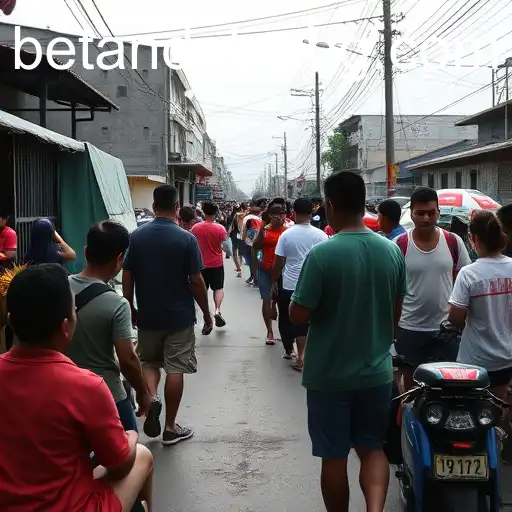
In the late 1990s, the Philippines saw the rise of 'Jueteng' as a cultural and socio-political phenomenon. The year 1998, in particular, marked a significant period for this ubiquitous, unauthorized numbers game, capturing the nation's attention and sparking discussions around governance, societal values, and economic pressures. In this article, we will delve into the complexities of Jueteng, the implications it carried during this time, and how it became a part of the national narrative.
Jueteng is a numbers game often linked to gambling. Its exact origins are a mix of local traditions and international influences, but it historically roots back to the Spanish colonial period when similar forms of betting were introduced. The game involves drawing numbers randomly, with participants betting on a specific combination. Jueteng relies heavily on grassroots networks, employing a wide array of individuals, from bet collectors to messengers who facilitate the operations discreetly.
The year 1998 was pivotal for several reasons. Firstly, it was a time of political transition in the Philippines, occurring alongside significant economic recovery efforts post the 1997 Asian financial crisis. Jueteng became a lens through which many examined the gaps in society — from lack of employment opportunities to the allure of quick financial gain. Secondly, the game's persistence highlighted ongoing issues within law enforcement and governance, bringing to the forefront issues of corruption, economic disparity, and the influence of local bosses in rural and urban communities alike.
A key factor that enabled Jueteng's persistence in 1998 was its cultural embedding within Filipino society. Far beyond a mere numbers game, Jueteng had become a symbol of resilience and hope for a better financial status among Filipinos. The practice was interwoven with social interactions, communal gatherings, and shared dreams of prosperity, making it more than just a clandestine operation. As such, efforts to eradicate or diminish its presence often met resistance and became a source of contention between various societal groups.
Economically, Jueteng offered a lifeline to many Filipinos during challenging times. The late 1990s were characterized by economic difficulties, and Jueteng provided employment opportunities, albeit informally, within its operation chain. This situation added layers to its appeal and complexity, making it a subject of debate among policymakers and the general public. Despite being an illegal operation, the financial benefit it provided to numerous families made its total eradication challenging.
The political landscape in the Philippines during this period also painted Jueteng in a controversial light. Political leaders’ ties to Jueteng operators sometimes surfaced, and claims of these illegal operations funding political campaigns were rampant. Such revelations diminished trust in public officials, prompting pushes for substantial reforms in governance. Conversely, these same dynamics showcased the strength and influence of grassroots mobilization, further complicated by the socioeconomic divides that Jueteng economically bridged.
Authorities in 1998 faced dilemmas on how to control Jueteng effectively. Crackdowns were implemented through arrests and campaigns against gambling, but these measures often proved insufficient. Complexities within local political networks that benefited from the game made enforcement challenging. Alternative strategies, such as introducing state-sanctioned lotteries, were proposed as a means to redirect the public's gambling inclinations into regulated frameworks.
Public perception of Jueteng by 1998 was largely polarized. On one hand, many saw it as a necessary evil or a means of support amidst economic hardship. On the other, there were significant pushes from anti-gambling advocates and sectors discontented with its adverse societal effects, such as corruption, family disputes, and disrupted social order. These discussions led to a broad social dialogue regarding the systemic conditions that allowed Jueteng to flourish and methods for constructing viable economic alternatives for the involved communities.
The late '90s saw a rise in media coverage on Jueteng, spurred by high-profile endorsements, attempts to dismantle the network, and the broader socio-political implication debates. Such exposure elevated public awareness and sparked interest in the ethical considerations of gambling markets under economic distress. Media played a crucial role in disseminating varied narratives about Jueteng, from stories of hope and prosperity to accounts of suffering and exploitation.
In conclusion, the complexity of Jueteng in 1998 is undeniably rooted in its multifaceted socio-cultural and economic role in the Philippines. This period served as a reflection of larger societal issues — poverty, corruption, and the adaptation of traditional practices in contemporary settings. As an entity intertwined intricately with local life, Jueteng's story continues to offer valuable lessons on resilience, governance, and the transformative power of collective hope and dreams.
Explore 'TheGreatestCatchBonusBuy', a captivating online fishing game that offers exciting features and strategic gameplay.

Explore the captivating world of GalacticGems, the thrilling game of adventure and strategy set in a dazzling cosmos.

An in-depth exploration of the thrilling game StempedeRushWicked, its unique mechanics, storyline, and the immersive experience it offers.