

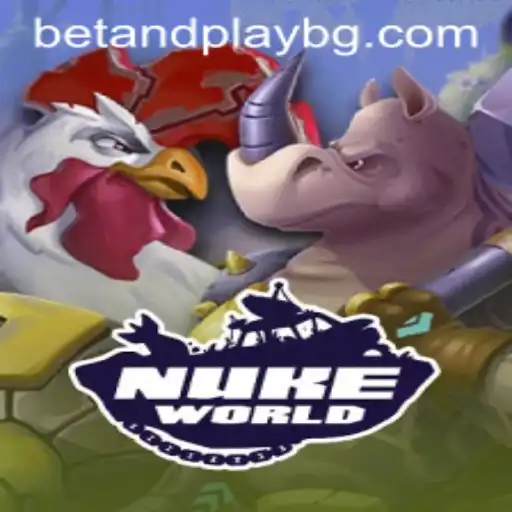
Exploring NukeWorld: A Captivating Dive into 1998's Iconic Game
Released in the late 1990s, NukeWorld quickly captured the imagination of gamers around the globe. Building on both the burgeoning interest in video games and the tense geopolitical climate of the time, this game provides a unique fusion of strategy, adventure, and survival elements that continue to engage players even decades after its initial release. Central to its allure is the game's core mechanics, narrative depth, and intricate world-building, all of which combine to offer a compelling experience.
Narrative Origins and Introduction
Set in a not-too-distant future, NukeWorld presents players with a world teetering on the brink of nuclear catastrophe. It thrusts them into an expansive environment where decisions have far-reaching consequences. The storyline opens with a global standoff, tensions brewing among major world powers, driven by both historical disputes and resource scarcity. As a player, you enter this dire scene as a mercenary leader tasked with navigating alliances, managing resources, and outsmarting rival factions to ensure survival and potentially avert a worldwide disaster.
NukeWorld is known for its richly developed characters and factions, each with its unique motivations and backstories. From the enigmatic Order of the Phoenix, aiming to stabilize the world through covert operations, to the relentless Tech Syndicate pushing for technological supremacy, these groups provide a dynamic narrative backdrop that invariably influences gameplay.
Gameplay Mechanics and Strategy
The gameplay framework of NukeWorld is built on a strategic lattice that challenges players to think several steps ahead. At its core, the game is about balance — maintaining diplomatic ties while expanding one's power base. Each decision, whether political or tactical, impacts the game's world, altering alliances and rivalries. This requires players to remain adept at negotiation, resource management, and strategic planning.
Resource Management
Resources play a critical role in NukeWorld. From essential elements like uranium and food to advanced technology components, each resource requires careful management. Players must decide whether to trade, reserve, or risk their assets in various ventures. Crucially, the control of key resources often acts as a lever in diplomatic negotiations, with factions willing to go to great lengths to secure their interests.
Tactical Combat
The game features an intuitive combat system that blends real-time strategy with turn-based elements. This hybrid model allows players to command armies, manage unit positions, and employ strategic assets with precision. Understanding the strengths and weaknesses of different units — from infantry and armored divisions to aerial and naval forces — is vital for securing victory in skirmishes that can alter the political landscape.
NukeWorld's Cultural Impact
Beyond gameplay, NukeWorld resonates with players due to its reflection of contemporary geopolitical concerns. The game cleverly mirrors real-world tensions — energy crises, nuclear proliferation, and technological advancements — sparking conversations about the direction of future global interactions. This has kept NukeWorld relevant, connecting with each new generation of gamers and prompting renewed interest amid current real-world events.
Moreover, the game's incorporation of real-time news updates, reflecting both in-game and real-world events, enhances its immersive experience. Players can see events reflected in their game world, adjusting their strategies based on economic shifts, political moves, and emerging alliances. Such integration blurs the line between the virtual and real worlds, pushing players to consider the broader implications of their in-game actions.
The Community and Legacy
NukeWorld's community has remained vibrant, with dedicated fan forums and online boards where strategies and stories are shared. Fans frequently discuss the implications of certain narrative decisions, the most efficient resource allocation strategies, and optimal combat tactics. This involvement has not only maintained interest in the original game but also fueled demand for expansions and similar titles.
The enduring legacy of NukeWorld is evident in its influence on later games, many of which have borrowed elements of its strategic and narrative depth. The game's design principles — focusing on player agency, meaningful choice, and intricate world design — have become benchmarks for the genre, continually inspiring developers to push the boundaries of interactive storytelling.
Conclusion
As we're drawn deeper into increasingly interconnected global realities, the underlying themes of NukeWorld, particularly its focus on decision-making under pressure, become even more relevant. As both a relic of its time and a prescient commentary on our own, NukeWorld remains a landmark in gaming history, challenging players to consider not just what is possible, but what is right.